Learn More !

Beyond Looking: Designing Accessible Art Discovery and Gallery Navigation for BLV Visitors

Beyond Looking: Designing Accessible Art Discovery and Gallery Navigation for BLV Visitors

Beyond Looking: Designing Accessible Art Discovery and Gallery Navigation for BLV Visitors

Timeline
Feburary - May 2026
Role
Accessibility Researcher
Prototype Facilitator
Responsibilities
Research
(Data Finding & Synthesis)
Accessibility Framework
(Propose the availability of accessibility both content navigation measurements)
Prototyping
(Guide Tour Design & Iterations)
Disciplines
Accessibility Design
Speculative Design
Information Science
Tools
Google Doc
Figma
Figjam
Methods
Literature Review
Lived Experience Review
Video Demo Review
Related Work Study
Prototyping
Teammate
Sandra Ye
(Project Manager & Content Design Lead)
Claire Jen
(Navigation Prototype Facilitator & Design Deliverable Lead)
Keertana Gunnam
(Navigation Design Lead & Researcher)
Advisor
Prof. Rahaf Alharbi
Associated with

Positive Exposure & Art 75
Center of Digital Experience
at Pratt Institute

Project Highlights

Overview

Designing a Gallery Experience for BLV Visitors’ Autonomy


"How might we design a gallery experience that supports BLV visitors’ autonomy, while allowing them to co-construct their own art journey? "

In many gallery settings, accessibility support often centers on one-way information delivery, such as pre-recorded audio guides or fixed descriptions. While these resources can be helpful, they may offer limited flexibility for visitors who want to choose their own pace, ask questions, compare interpretations, or form personal and emotional connections with artworks. Research on blind visual arts experiences emphasizes that access involves not only receiving visual information, but also navigating the venue, engaging socially, and making meaning through personal memory, imagination, and discussion. (Li et al., 2023; Ahmetovic et al., 2016; Kamikubo et al., 2020)

In this project, we reframed accessibility as supported autonomy: not about asking BLV visitors to do everything alone, but about creating predictable, flexible, and supportive conditions where they can decide how they want to explore, understand, and participate. (Bennett et al., 2018)

Outcome Preview

A11y Measurement Framework for Content Discovery and Spatial Navigation

The outcome of this project is an A11y Measurement Framework that helps evaluate whether a gallery experience supports BLV visitors before, during, and after they engage with artworks.

Instead of measuring accessibility only by whether an audio guide or description exists, our framework looks at two connected parts of the gallery journey:

Content Access: How artwork information is described, layered, and personalized.

We move away from one-way narrations and toward a "discovery" model.

By providing interactive content layers, BLV visitors aren't just told what to understand, they "capture" information with thrit own way and to form their own emotional connections. (Li et al., 2023)

We move away from one-way narrations and toward a "discovery" model.

By providing interactive content layers, BLV visitors aren't just told what to understand, they "capture" information with thrit own way and to form their own emotional connections. (Li et al., 2023)

Navigation Apporach: Building Environmental Knowledge Before Movement.

Following the principle that technology should supplement rather than replace a user’s existing mobility tools (Ahmetovic et al., 2016), the navigation access provides the "environmental knowledge" or mental map of the room. This allows BLV visitors to decide where they want to go alongside their companions.

Following the principle that technology should supplement rather than replace a user’s existing mobility tools (Ahmetovic et al., 2016), the navigation access provides the "environmental knowledge" or mental map of the room. This allows BLV visitors to decide where they want to go alongside their companions.

The True Story Behind this Project

The Case Study Author

Yung-Wei Chen

Something I wanna share before you dive into my research story…

With my background in fine art education, I was trained to understand art through composition, color, texture, space, and visual expression. That training has been a privilege, but it also taught me that visual perception is not only one pathway into meaning.

Art can also be remembered, imagined, discussed, heard, touched, and emotionally felt.
For me, accessibility begins with this recognition: people do not experience the world in one universal way, so gallery access should not be designed around only one way of sensing or understanding.

With my background in fine art education, I was trained to understand art through composition, color, texture, space, and visual expression. That training has been a privilege, but it also taught me that visual perception is not only one pathway into meaning.

Art can also be remembered, imagined, discussed, heard, touched, and emotionally felt.
For me, accessibility begins with this recognition: people do not experience the world in one universal way, so gallery access should not be designed around only one way of sensing or understanding.

Background & Why A11y Matters

Accessibility as a Way to Belong, Expands, and Equality

Positive Exposure promotes a more equitable and compassionate world through photography, film, storytelling, education, and advocacy. Its mission shaped our project direction: if the gallery celebrates human diversity, the visitor experience should also support diverse ways of perceiving, navigating, and connecting with art.

Art Access Should Be an Equal Invitation

Enjoying art should not depend on one dominant way of seeing. For BLV visitors, meaningful access includes not only artwork descriptions, but also the ability to choose, interpret, ask questions, move through the space, and form personal connections with the work.

Enjoying art should not depend on one dominant way of seeing. For BLV visitors, meaningful access includes not only artwork descriptions, but also the ability to choose, interpret, ask questions, move through the space, and form personal connections with the work.

A11y Expands the Experience for Everyone

Accessibility is not a separate feature for one group. It is a social and design value that asks whether a space can welcome different bodies, senses, rhythms, and ways of making meaning. In this project, A11y became a way to show how a gallery can embrace every individual’s color.

Accessibility is not a separate feature for one group. It is a social and design value that asks whether a space can welcome different bodies, senses, rhythms, and ways of making meaning. In this project, A11y became a way to show how a gallery can embrace every individual’s color.

What do I mean Accessibility?

Supporting BLV Visitors’ Autonomy Across Content, Space, and Participation

In this project, accessibility means supporting Blind and Low Vision visitors’ autonomy in gallery spaces. The meaning of autonomy does not equal to experience the gallery completely alone. It means having the ability to choose how to access artwork information, how to move through the space, when to seek support, and how to form personal interpretations.

At the same time, no visitor experiences a gallery in complete independence. People rely on labels, maps, lighting, spatial cues, staff, companions, and digital tools to understand where they are and what they are seeing. (Bennett et al., 2018) This is why I frame autonomy as something supported by interdependence: a relationship between the visitor, the environment, the technology, and the people around them.

Persona & The Who is the A11y for

Designing for a Spectrum of BLV Art Experiences: Meet the Story of Elize and Jay
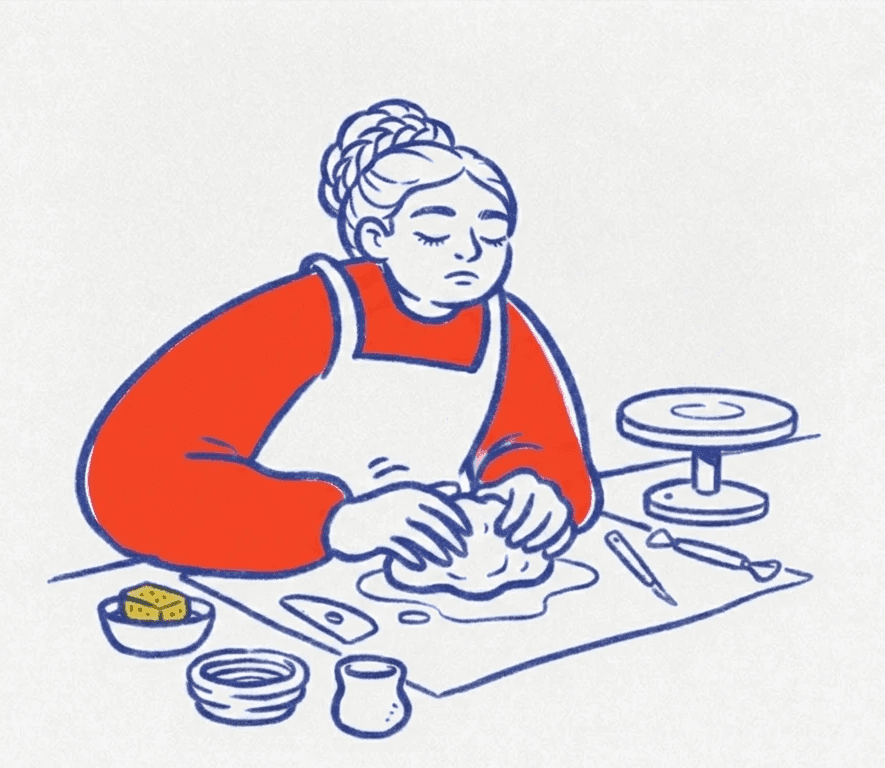
Blindness does not describe one single way of experiencing the world, it includes a spectrum of vision conditions. These personas reflect that BLV visitors do not share one universal way of perceiving art. Their needs may shift based on vision level, onset of blindness, visual memory, tactile familiarity, and preferred ways of navigating space.

Blindness does not describe one single way of experiencing the world, it includes a spectrum of vision conditions. These personas reflect that BLV visitors do not share one universal way of perceiving art. Their needs may shift based on vision level, onset of blindness, visual memory, tactile familiarity, and preferred ways of navigating space.

Elize Li

Elize Li

Professional

Professional

Clay Artist

Clay Artist

Age

Age

31-year-old

31-year-old

Vision Profile

Vision Profile

Has partial central vision, but details, contrast, small text, and crowded spatial layouts can be difficult to read quickly.

Has partial central vision, but details, contrast, small text, and crowded spatial layouts can be difficult to read quickly.

Onset of Blindness

Onset of Blindness

Progressive vision loss in her early twenties.

Progressive vision loss in her early twenties.

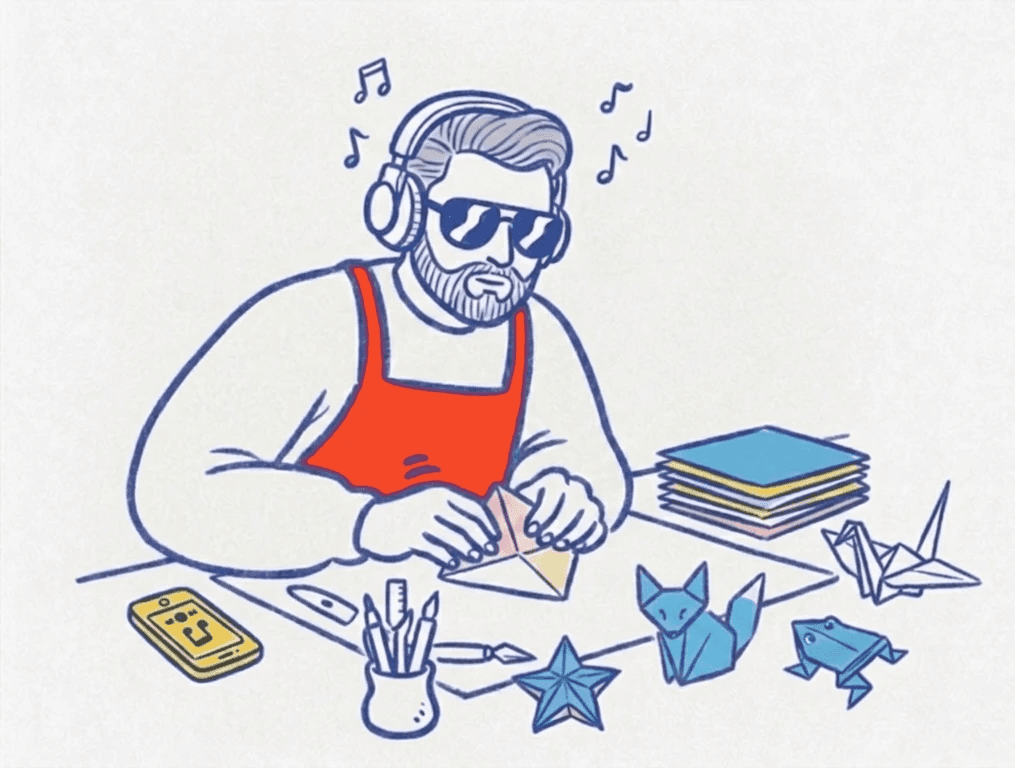
“I still connect with art visually, but I need time, contrast, and control to understand what I’m looking at.”
Art Perception

Art Perception

Because Elize acquired vision loss later in life, she has strong visual memory. She understands color, composition, and spatial depth through past visual experiences and current partial vision.

Research found that people who acquired blindness later may use visual memory and imagination to enjoy artwork. (Li et al., 2023)

Because Elize acquired vision loss later in life, she has strong visual memory. She understands color, composition, and spatial depth through past visual experiences and current partial vision.

Research found that people who acquired blindness later may use visual memory and imagination to enjoy artwork. (Li et al., 2023)

Design Takeaway

Design Takeaway

Support Elize by connecting remaining vision, visual memory, and flexible information control.

Support Elize by connecting remaining vision, visual memory, and flexible information control.

Strengths

Strengths

Strong memory of visual concepts

Strong memory of visual concepts

Understands shape, texture, color, and composition

Understands shape, texture, color, and composition

Connects visual details with emotional meaning

Connects visual details with emotional meaning

Comfortable comparing interpretation with others

Comfortable comparing interpretation with others

Needs

Needs

Large images and zoomable artwork details

Large images and zoomable artwork details

High-contrast interface and readable text

High-contrast interface and readable text

Audio descriptions with layered detail

Audio descriptions with layered detail

Control over pace, sequence, and depth

Control over pace, sequence, and depth

Clear spatial cues in the gallery

Clear spatial cues in the gallery

Jay Rivera

Jay Rivera

Professional

Professional

Community Educator

Community Educator

Age

Age

42-year-old

42-year-old

Vision Profile

Vision Profile

Has light perception.
Jay can sense brightness and the direction of light, also has personal strong auditory attention.

Has light perception.
Jay can sense brightness and the direction of light, also has personal strong auditory attention.

Onset of Blindness

Onset of Blindness

Has been blind since birth

Has been blind since birth

“I don’t need to see the artwork the same way others do. I need enough structure to build my own understanding.”

Art Perception

Art Perception

Jordan understands art through language, touch, sound, spatial relationships, texture, story, and conversation.

Research notes that people born blind may build strong spatial awareness through auditory and tactile senses, while understanding visual concepts through descriptions and analogies.

Jordan understands art through language, touch, sound, spatial relationships, texture, story, and conversation.

Research notes that people born blind may build strong spatial awareness through auditory and tactile senses, while understanding visual concepts through descriptions and analogies.

Design Takeaway

Design Takeaway

Support Jay by translating visual art into spatial, tactile, emotional, and contextual understanding — not just visual description.

Support Jay by translating visual art into spatial, tactile, emotional, and contextual understanding — not just visual description.

Strengths

Strengths

Strong tactile and auditory awareness

Strong tactile and auditory awareness

Good understanding of spatial relationships

Good understanding of spatial relationships

Sensitive to texture, material, rhythm, and atmosphere

Sensitive to texture, material, rhythm, and atmosphere

Comfortable forming meaning through conversation

Comfortable forming meaning through conversation

Needs

Needs

Audio-first artwork descriptions

Audio-first artwork descriptions

Clear object relationships and spatial structure

Clear object relationships and spatial structure

Tactile references when available

Tactile references when available

Consistent navigation language

Consistent navigation language

Ability to ask follow-up questions

Ability to ask follow-up questions

Design Value & A11y Principle

Translate BLV Research Into Content and Navigation Decisions

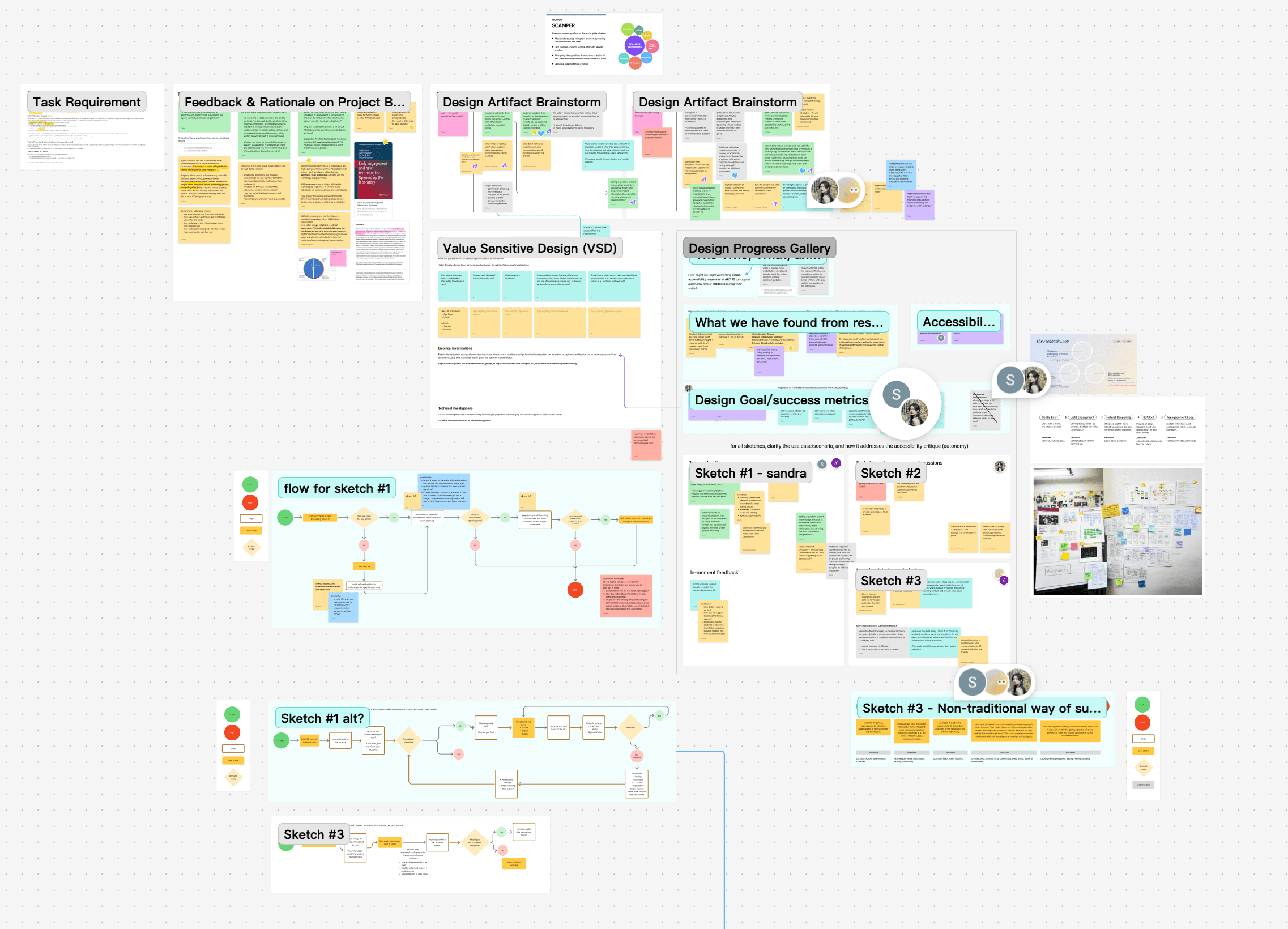
Our research combined scholarly papers, product audits, online BLV community materials, audio/video demos, and existing accessibility tools such as Bloomberg Connects, GoodMaps, NavCog, and Microsoft Soundscape, etc.

Across these materials, we found that accessible gallery experiences should not only provide information, they should support how BLV visitors choose, orient, interpret, and recover during the visit.

Our research combined scholarly papers, product audits, online BLV community materials, audio/video demos, and existing accessibility tools such as Bloomberg Connects, GoodMaps, NavCog, and Microsoft Soundscape, etc.

Across these materials, we found that accessible gallery experiences should not only provide information, they should support how BLV visitors choose, orient, interpret, and recover during the visit.

01

Autonomy Through Choice

BLV visitors should be able to choose what information they receive, when they receive it, and how deeply they want to explore. In visual arts research, participants valued flexible access methods, immediate questions, and descriptions that support their own interpretation rather than replacing it with someone else’s. (Li et al., 2023)

BLV visitors should be able to choose what information they receive, when they receive it, and how deeply they want to explore. In visual arts research, participants valued flexible access methods, immediate questions, and descriptions that support their own interpretation rather than replacing it with someone else’s. (Li et al., 2023)

Design principle

Give visitors control over pace, depth, sequence, and interpretation.

02

Predictability Builds Confidence

Accessibility should feel consistent enough to learn quickly. Across gallery tools and navigation systems, unpredictability can create extra effort: different QR systems, unclear audio structures, missing visual descriptions, or inconsistent wayfinding language.

Accessibility should feel consistent enough to learn quickly. Across gallery tools and navigation systems, unpredictability can create extra effort: different QR systems, unclear audio structures, missing visual descriptions, or inconsistent wayfinding language.

Design principle

Use repeatable patterns, clear labels, consistent navigation language, and predictable interaction flows.

03

Spatial Understanding Before Movement

Navigation should not only say “turn left” or “go forward.” It should help visitors understand the room, nearby landmarks, route choices, and points of interest before and during movement. NavCog shows that BLV navigation benefits from cognitive maps, POI awareness, timely cues, and support that supplements existing mobility tools rather than replacing them.

Navigation should not only say “turn left” or “go forward.” It should help visitors understand the room, nearby landmarks, route choices, and points of interest before and during movement. NavCog shows that BLV navigation benefits from cognitive maps, POI awareness, timely cues, and support that supplements existing mobility tools rather than replacing them.

Design principle

Help visitors build a mental map before asking them to move.

04

Clear Language Is Part of Accessibility

For both artwork description and navigation, language needs to be concrete, contextual, and respectful. Remote navigation research shows that effective guidance depends on verbal description methods, environmental familiarity, and avoiding vague cues like “there.” Clock-based directions and contextual landmarks can help make instructions more understandable. (Kamikubo et al., 2020)

For both artwork description and navigation, language needs to be concrete, contextual, and respectful. Remote navigation research shows that effective guidance depends on verbal description methods, environmental familiarity, and avoiding vague cues like “there.” Clock-based directions and contextual landmarks can help make instructions more understandable. (Kamikubo et al., 2020)

Design principle

Use precise, contextual descriptions that support orientation, imagination, and decision-making.

Synthesis

From Research Insight to Design Direction: What We Learned, and How It Shaped the A11y Framework

To make the research usable for design, we organized the key insights into direct design directions. This section shows how each finding shaped the accessibility framework and later informed our prototype decisions.
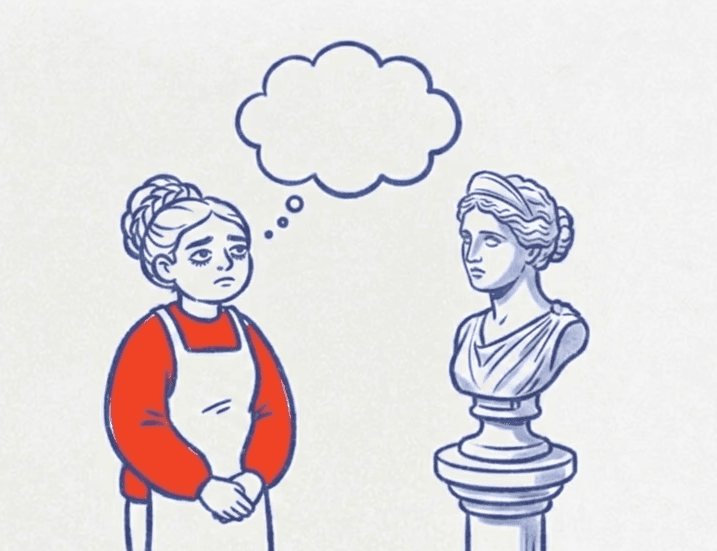
Research / Audit Insight

BLV visitors have different vision levels, visual memories, and tactile familiarity.

Design Direction / Content Approach

Design flexible content options instead of one universal access mode.
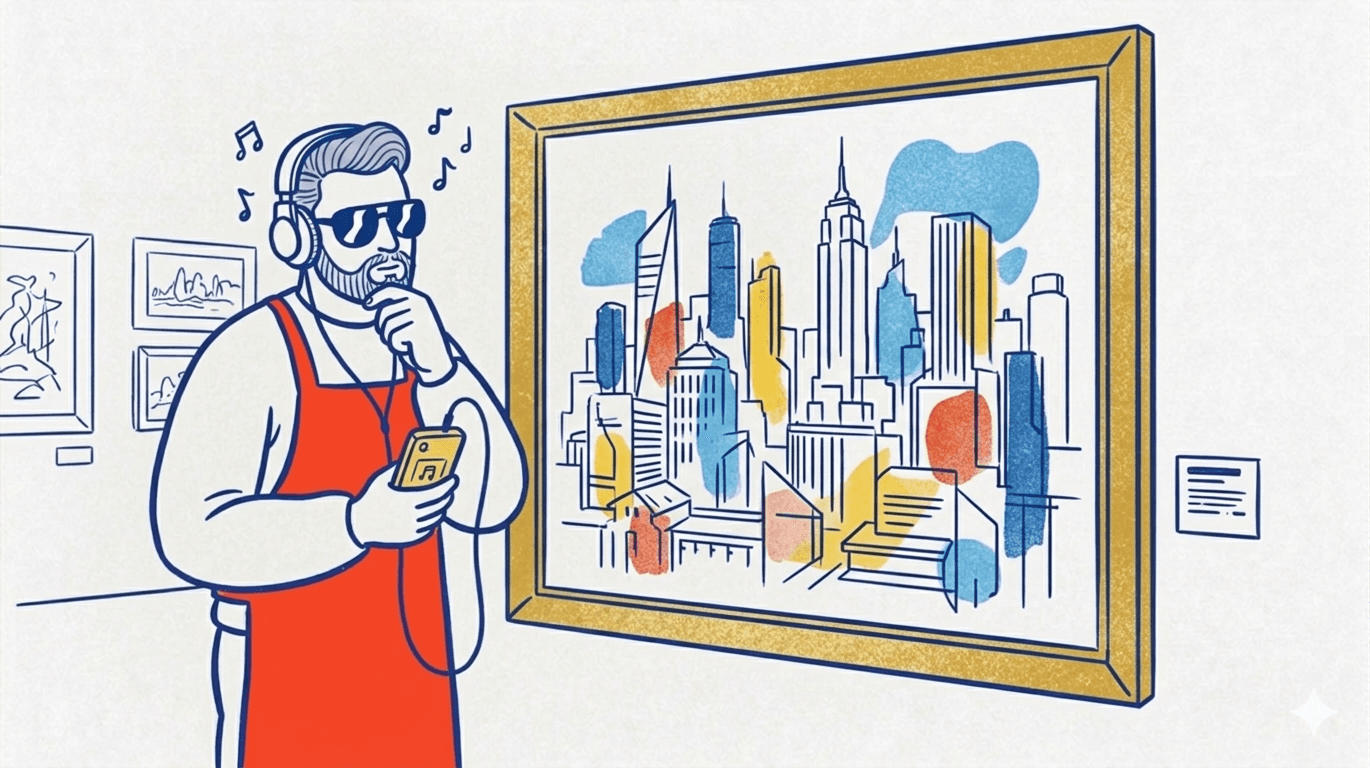
Research / Audit Insight

Audio guides often provide fixed, one-way narration.

Design Direction / Content Approach

Create layered content that visitors can enter at different depths.
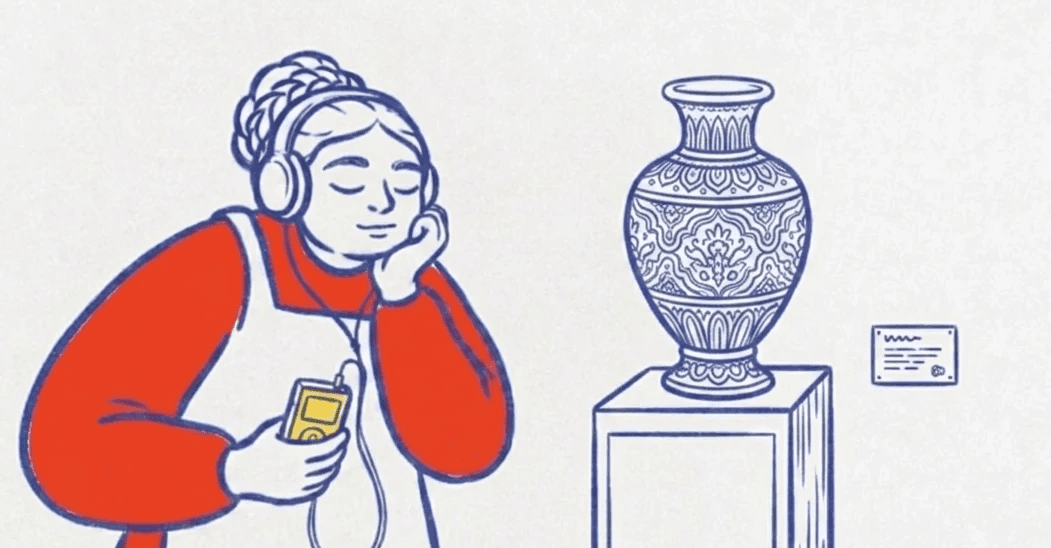
Research / Audit Insight

Artwork descriptions may be too subjective, too shallow, or designed for sighted visitors.

Design Direction / Content Approach

Separate objective visual description, context, interpretation, and reflection.
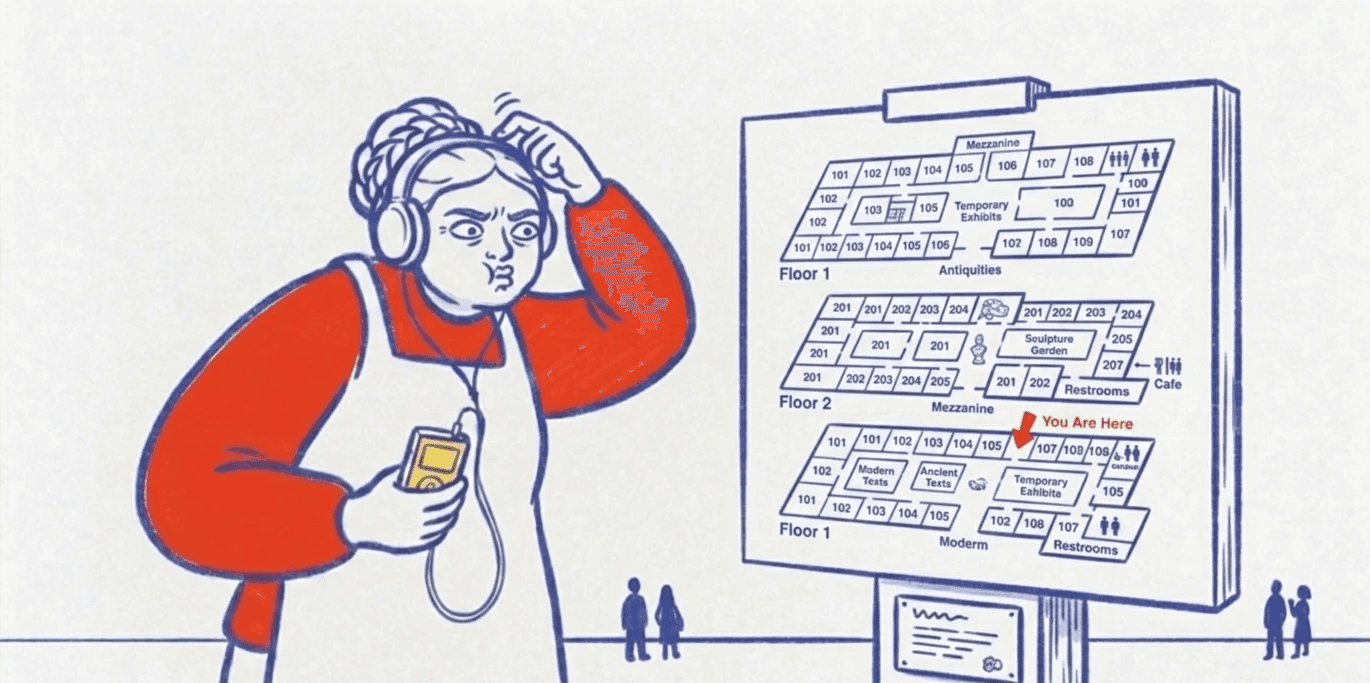
Research / Audit Insight

Gallery navigation often relies on visual signs, landmarks, and spatial assumptions.

Design Direction / Navigation Apporach

Provide room previews, artwork locations, and spatial cues before movement.
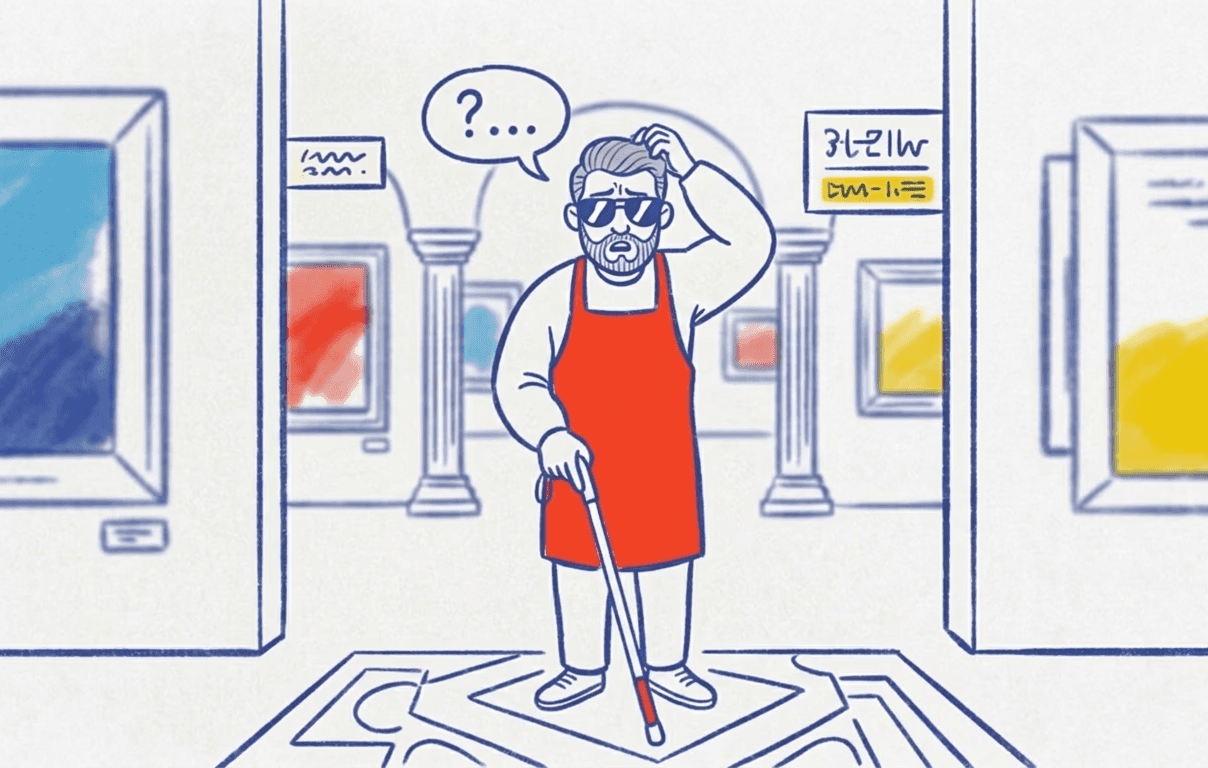
Research / Audit Insight

Navigation tools can struggle with indoor accuracy, noisy environments, or missing environmental knowledge.

Design Direction / Navigation Apporach

Design navigation as supportive orientation, not full replacement of mobility tools.
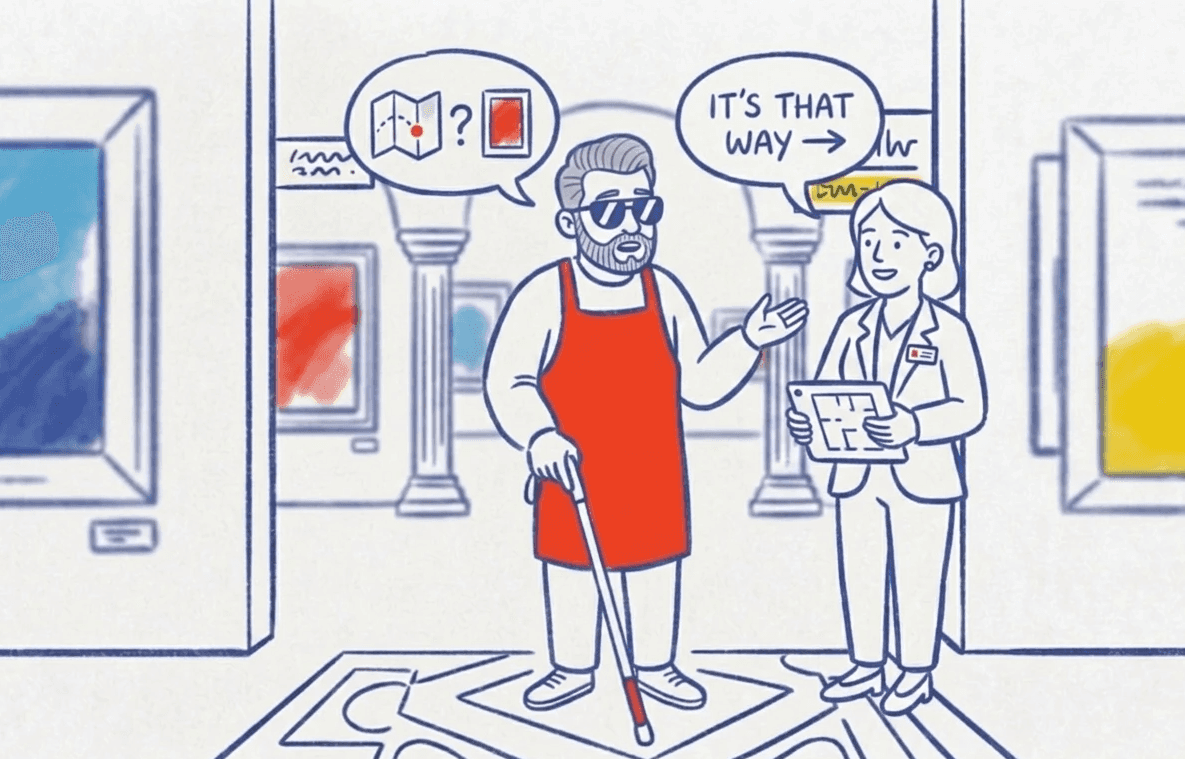
Research / Audit Insight

BLV visitors may rely on companions, staff, or remote guides, but quality varies.

Design Direction / Navigation Apporach

Make key information more structured, repeatable, and available through the system.

Key Design Break Down

The prototype translates our A11y framework into two connected experiences: content discovery and spatial navigation. Each design decision supports BLV visitors’ autonomy by giving them more control over how they access information, understand the space, and decide what to explore next.

The prototype translates our A11y framework into two connected experiences: content discovery and spatial navigation. Each design decision supports BLV visitors’ autonomy by giving them more control over how they access information, understand the space, and decide what to explore next.

  1. Choose Your Journey - Flexible Entry Points for Different Gallery Goals
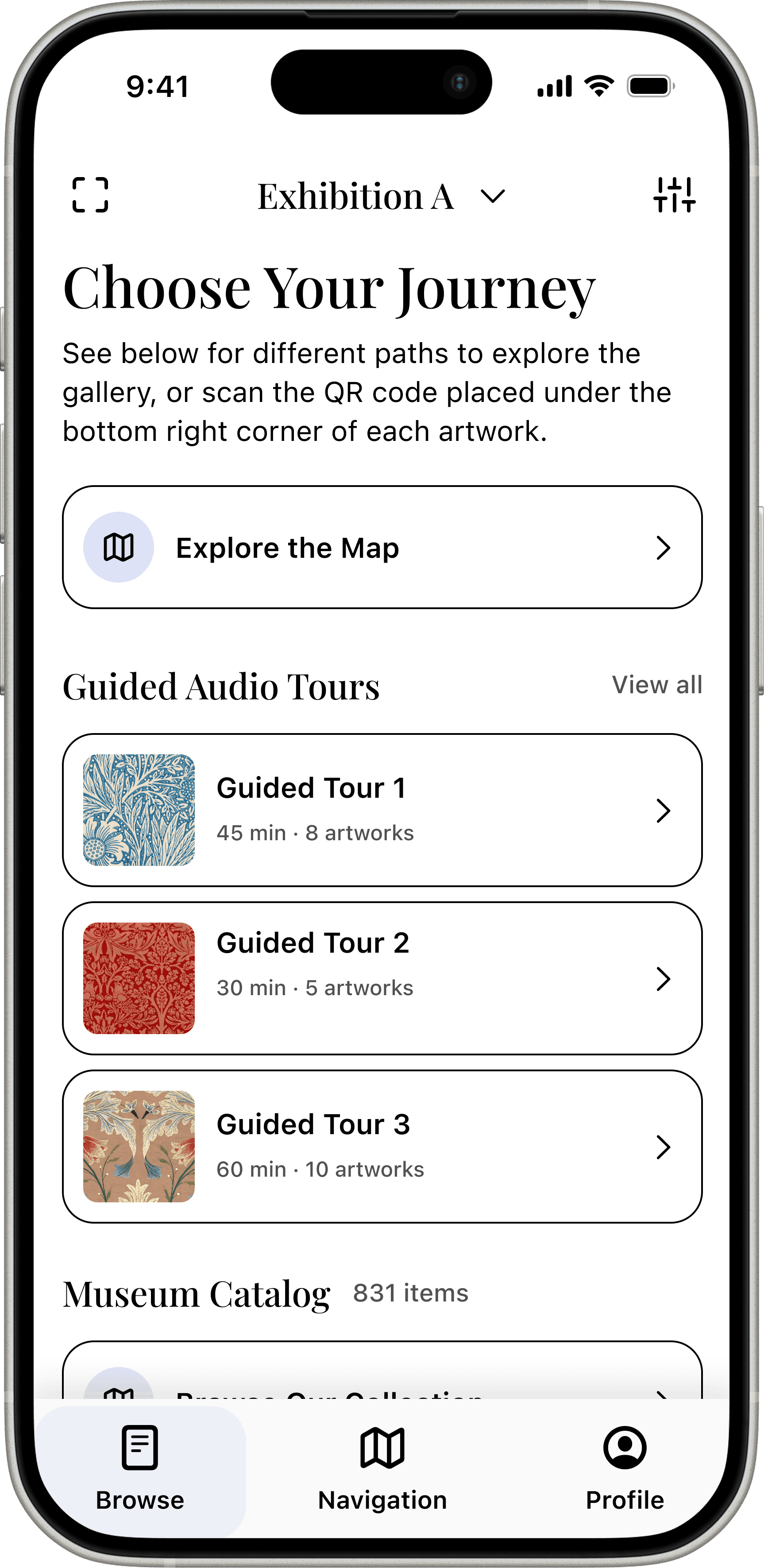
The homepage gives visitors multiple ways to begin: exploring the map, joining a guided audio tour, browsing the museum catalog, or scanning a QR code near an artwork.

The screen supports autonomy by letting BLV visitors choose their own mode of exploration before entering the gallery experience.

It reduces dependence on a single guided path and creates a more flexible starting point for different access preferences.

The homepage gives visitors multiple ways to begin: exploring the map, joining a guided audio tour, browsing the museum catalog, or scanning a QR code near an artwork.

The screen supports autonomy by letting BLV visitors choose their own mode of exploration before entering the gallery experience.

It reduces dependence on a single guided path and creates a more flexible starting point for different access preferences.

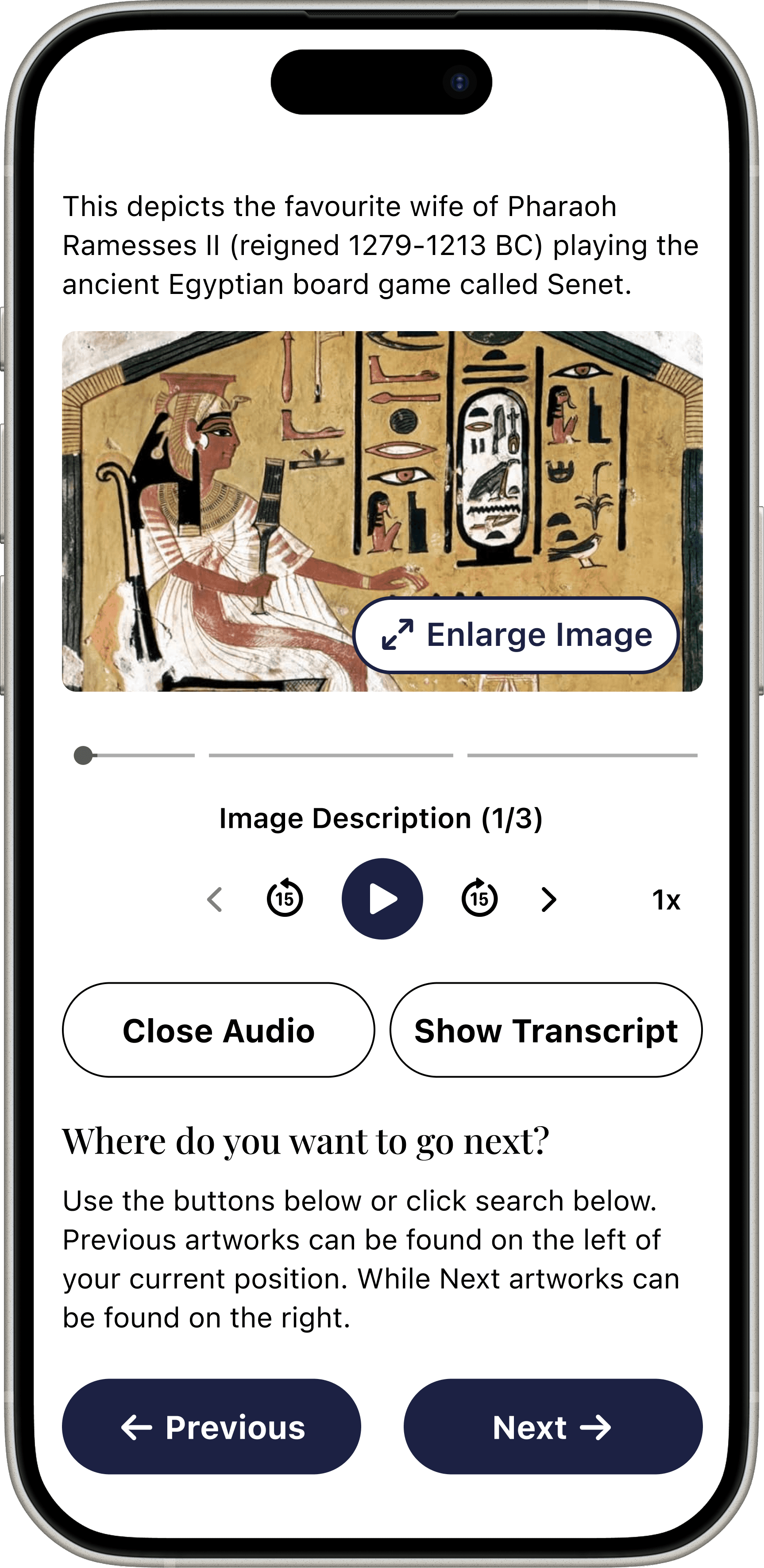
  1. Layered Access to Artwork Content - From One-Way Description to Active Discovery

The artwork page separates content into layers with:

The artwork page separates content into layers with:

Short Overview

Short Overview

Enlarged Image

Enlarged Image

Audio Description

Audio Description

Image Description

Image Description

Wall text

Wall text

Artist & Background Information

Artist & Background Information

Instead of presenting artwork information as one fixed narration, the design lets visitors decide what kind of content they want to access first and how deeply they want to continue.

This supports personal meaning-making by separating objective description, contextual information, and interpretive material.

Instead of presenting artwork information as one fixed narration, the design lets visitors decide what kind of content they want to access first and how deeply they want to continue.

This supports personal meaning-making by separating objective description, contextual information, and interpretive material.

  1. Coordinated Audio, Text, and Image Support - Multiple Formats Without Overloading the Visitor

The guided tour and artwork screens provide:

The guided tour and artwork screens provide:

Audio Description

Audio Description

Image Expansion

Image Expansion

Plain Text Description

Plain Text Description

Play Back Control

Play Back Control

Transcripts Access

Transcripts Access

The goal is not to add every modality at once, but to let each format serve a clear purpose.

Research note that multiple modalities can become distracting when they repeat the same role, but they are more helpful when coordinated for different functions.

Audio, text, and image support are organized as complementary options. Visitors can listen, read, pause, replay, enlarge, or skip based on their own access needs and cognitive load in the moment.

The goal is not to add every modality at once, but to let each format serve a clear purpose.

Research note that multiple modalities can become distracting when they repeat the same role, but they are more helpful when coordinated for different functions.

Audio, text, and image support are organized as complementary options. Visitors can listen, read, pause, replay, enlarge, or skip based on their own access needs and cognitive load in the moment.

  1. Spatial Preview Before Movement - Building Understanding Before Asking Visitors to Navigate
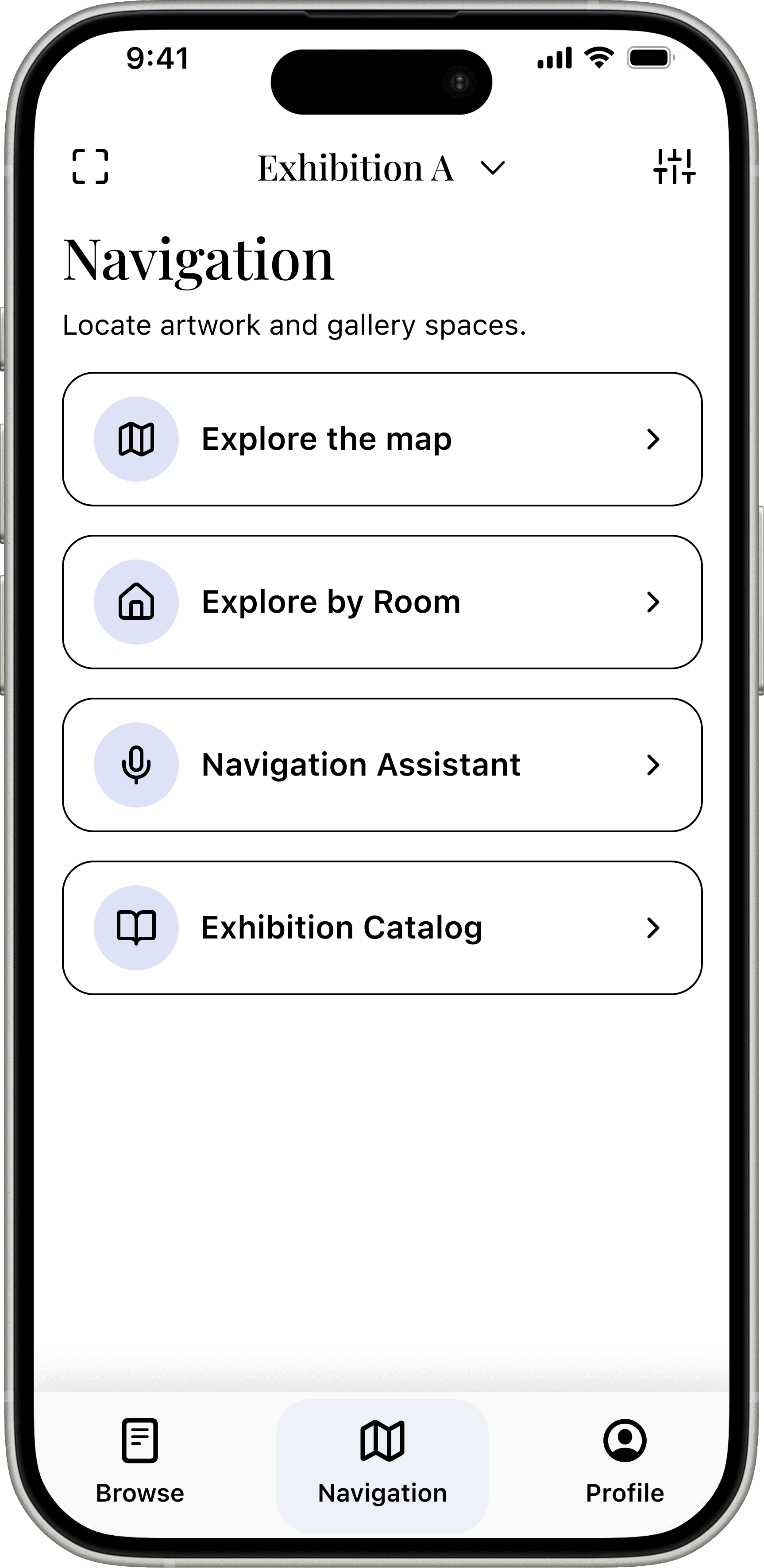
The navigation section gives visitors options such as exploring the map, browsing by room, using a navigation assistant, or opening the exhibition catalog.

The navigation section gives visitors options such as exploring the map, browsing by room, using a navigation assistant, or opening the exhibition catalog.

The design treats navigation as more than turn-by-turn instruction. It first helps visitors understand where they are, what spaces are available, and how artworks relate to the room.

Research emphasizes that unfamiliar routes are challenging when physical cues and landmarks are primarily visual, and that navigation support should help users build environmental knowledge. (Ahmetovic et al., 2016)

The design treats navigation as more than turn-by-turn instruction. It first helps visitors understand where they are, what spaces are available, and how artworks relate to the room.

Research emphasizes that unfamiliar routes are challenging when physical cues and landmarks are primarily visual, and that navigation support should help users build environmental knowledge. (Ahmetovic et al., 2016)

  1. Real-Time Navigation with Contextual Cues - Replacing Visual Landmarks with Understandable Spatial Language
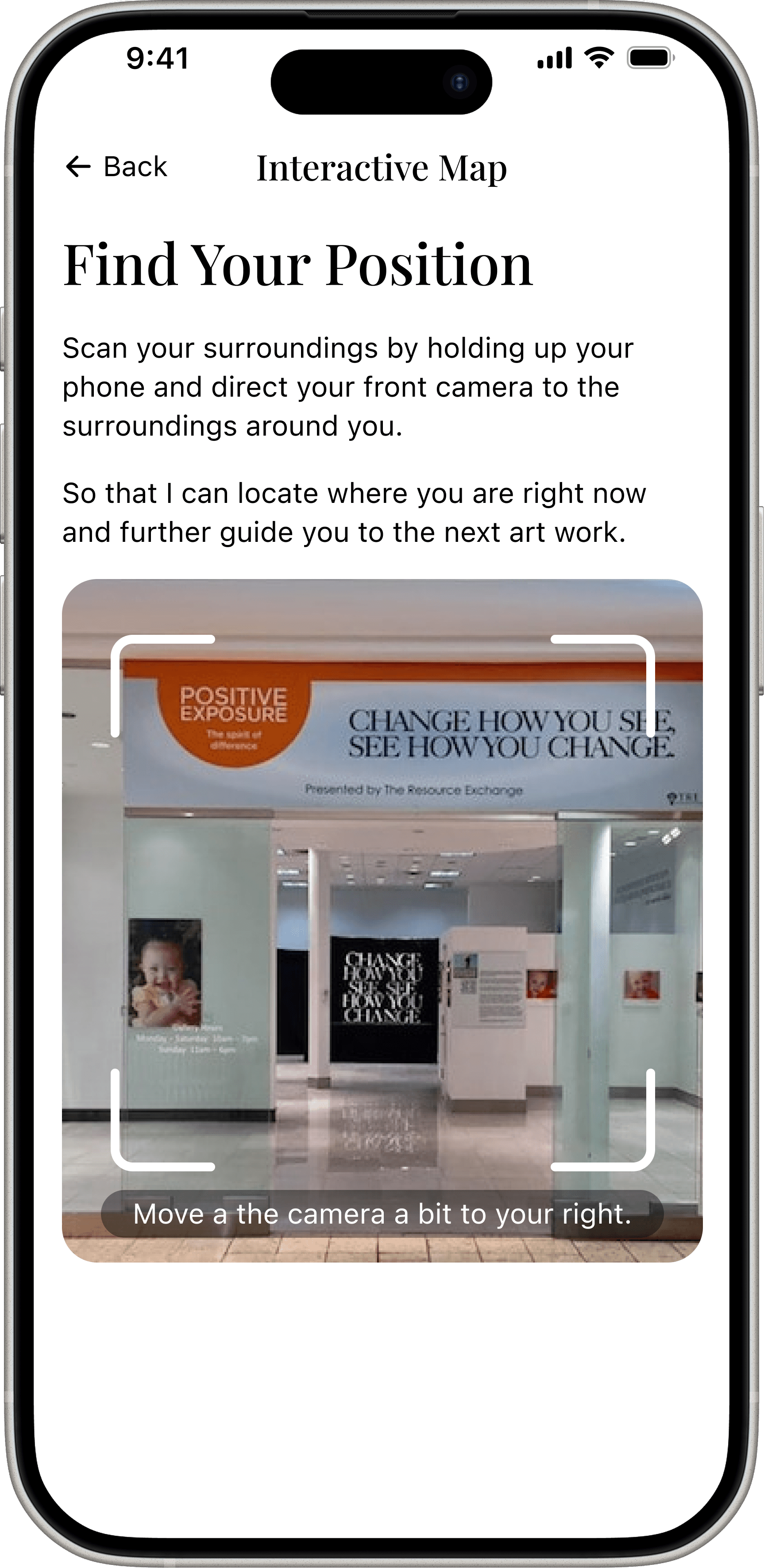
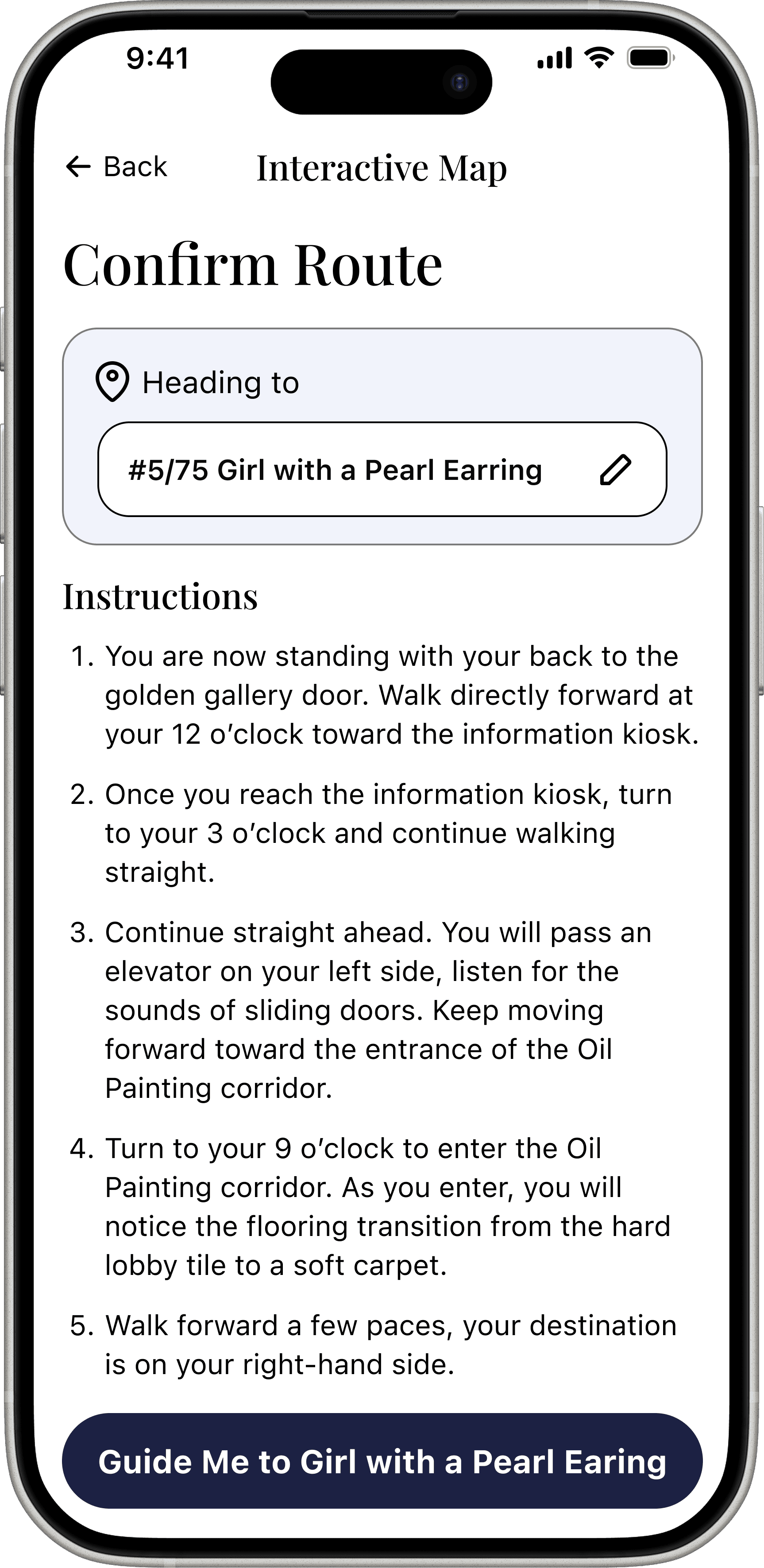
The navigation assistant locates the visitor, confirms the destination, and provides step-by-step route guidance using orientation language, landmarks, material changes, and clock-based directions.

The navigation assistant locates the visitor, confirms the destination, and provides step-by-step route guidance using orientation language, landmarks, material changes, and clock-based directions.

Remote and indoor navigation research shows that effective guidance depends on contextual verbal description, environmental familiarity, and avoiding vague language like “there.” Clock-based references and environmental cues can make navigation instructions easier to understand.

Remote and indoor navigation research shows that effective guidance depends on contextual verbal description, environmental familiarity, and avoiding vague language like “there.” Clock-based references and environmental cues can make navigation instructions easier to understand.

Instead of relying only on visual signs or abstract map positions, the prototype translates the route into concrete spatial cues:

Instead of relying only on visual signs or abstract map positions, the prototype translates the route into concrete spatial cues:

Clock-based Directions

Clock-based Directions

Nearby Landmarks

Nearby Landmarks

Floor Texture / Environmental Sound Changes

Floor Texture / Environmental Sound Changes

Points of Reference

Points of Reference

This supports movement while respecting visitors’ existing mobility strategies.

This supports movement while respecting visitors’ existing mobility strategies.

  1. Personalization Profile - Remembering Preferences Across the Visit
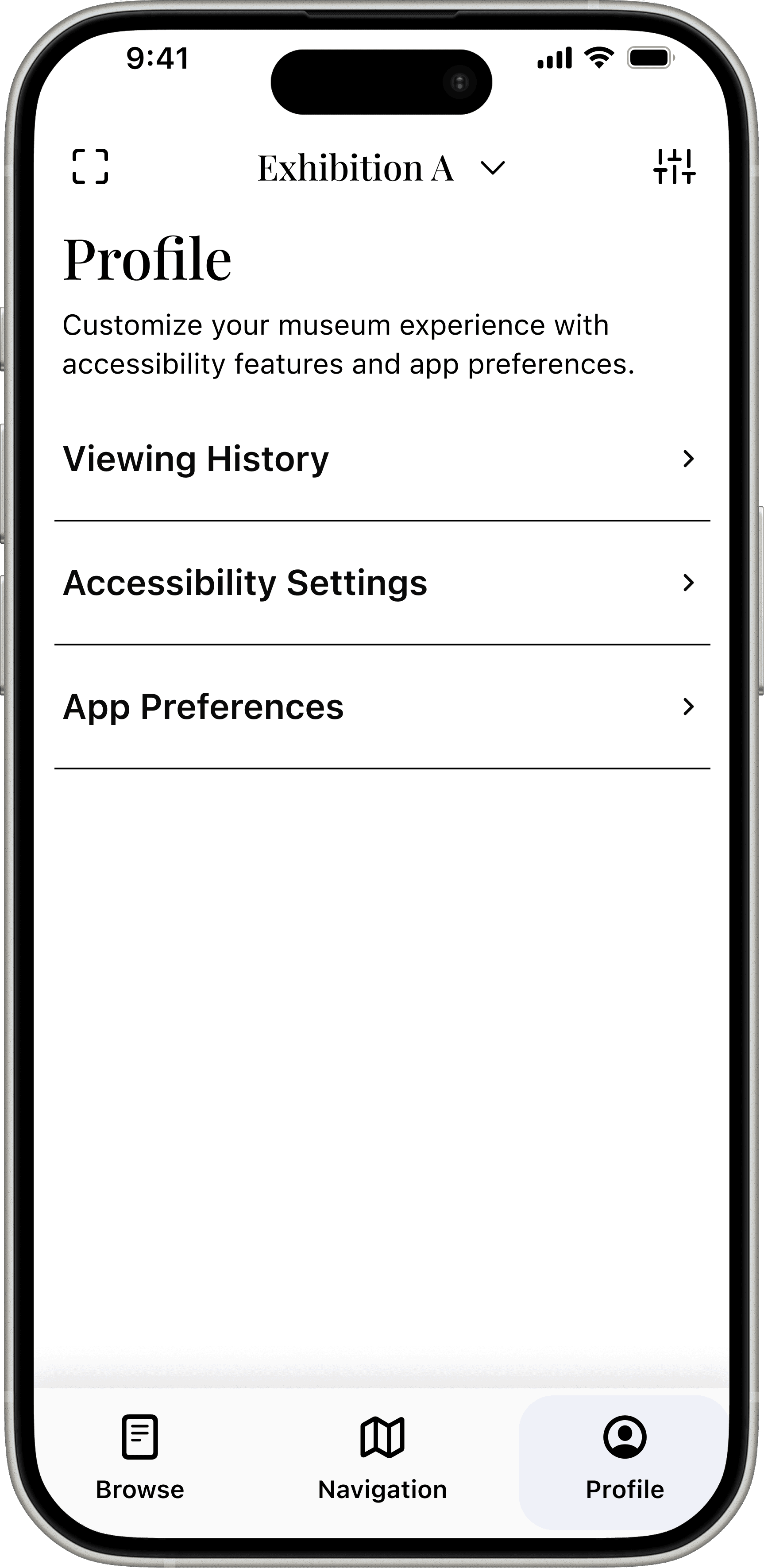
The profile section allows visitors to access viewing history, accessibility settings, and app preferences, such as zoom, larger text, bold text, reduced transparency, and color filters.

The profile section allows visitors to access viewing history, accessibility settings, and app preferences, such as zoom, larger text, bold text, reduced transparency, and color filters.

BLV visitors have varied access needs, and those needs may shift across contexts. A personalization profile helps the system remember display and interaction preferences instead of asking visitors to reset them every time.

BLV visitors have varied access needs, and those needs may shift across contexts. A personalization profile helps the system remember display and interaction preferences instead of asking visitors to reset them every time.

Personalization supports autonomy by letting visitors shape the interface around their own access preferences. Rather than treating accessibility as a temporary mode, the design makes it part of the visitor’s ongoing gallery experience.

Personalization supports autonomy by letting visitors shape the interface around their own access preferences. Rather than treating accessibility as a temporary mode, the design makes it part of the visitor’s ongoing gallery experience.

Reflection

Accessibility Is Not Just More Features, It Is the Condition for Visitor Choice

This project helped me understand that accessibility is not only about adding more features. It is about designing the conditions for visitors to make choices: how they access information, how they understand space, and how they participate in the gallery experience.

For me, the most important shift was moving from “providing access” to supporting atonomy A meaningful BLV gallery experience should not depend on one fixed audio guide, one staff member, or one route through the space. It should offer flexible, predictable, and respectful support that allows visitors to build their own relationship with the artwork.

Limitations

The Framework Needs Real-World Validation Before Implementation

This project is research-informed, but not yet fully validated in practice. Because of time and resource constraints, we relied on secondary research, product audits, online BLV community materials, and analysis of existing accessibility tools. These sources gave us strong design directions, but the framework and prototype still need direct feedback from BLV visitors through co-design, usability testing, and live gallery observation.

Validation With BLV Visitors

The framework should be treated as an informed design direction, not a finalized solution.
The next step would be to test whether the content layers, navigation language, and interaction flows actually support BLV visitors’ autonomy in a real gallery visit.

The framework should be treated as an informed design direction, not a finalized solution.
The next step would be to test whether the content layers, navigation language, and interaction flows actually support BLV visitors’ autonomy in a real gallery visit.

Technical Testing in the Gallery Environment

The navigation concept also needs on-site validation. Indoor navigation depends on signal accuracy, spatial layout, crowd density, lighting, sound, and gallery changes over time.

Tools such as BLE beacons, LiDAR, camera-based localization, and audio guidance can support orientation, but they require real-environment testing and maintenance before becoming reliable in practice. (Ahmetovic et al., 2016)

The navigation concept also needs on-site validation. Indoor navigation depends on signal accuracy, spatial layout, crowd density, lighting, sound, and gallery changes over time.

Tools such as BLE beacons, LiDAR, camera-based localization, and audio guidance can support orientation, but they require real-environment testing and maintenance before becoming reliable in practice. (Ahmetovic et al., 2016)

The Future

Moving From Prototype to Practice Requires Co-Design, Staff Workflow, and Content Infrastructure

The most important next step would be co-design and live testing with BLV visitors. Their feedback would help evaluate whether the content layers are understandable, whether the navigation language supports orientation, and whether the experience truly supports autonomy in the gallery.

Future work should also involve collaboration with Positive Exposure’s staff and technical team, especially around content management. For the framework to move beyond prototype, the gallery would need a sustainable way to managing the system, which include upload artwork descriptions, transcripts, spatial tags, accessibility metadata, and route information as part of its regular exhibition workflow.

© 2026 All rights reserved by YUNG-WEI CHEN

© 2024. YUNGWEI CHEN

© 2026 All rights reserved by YUNG-WEI CHEN